Why Children Benefit From martial arts Classes in winchester
Why Learn Martial Arts?
Why Learn Martial Arts?
Why Learn Martial Arts?
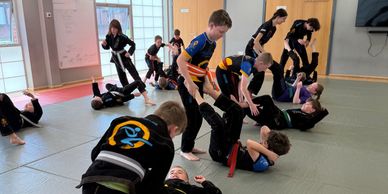
When most people think about martial arts, they think about punches, kicks and self-defence.
Those things are certainly part of it, but good martial arts should offer much more.
Over the years I’ve watched children arrive shy, lacking confidence or struggling to concentrate. I’ve seen teenagers discover resilience they didn’t know they had and adults surprise themselves by achieving things they once thought impossible.
Martial arts isn’t simply about learning techniques.
It’s about developing people.
As both a qualified former secondary school teacher (QTS) and a martial arts instructor, I’ve always been fascinated by how people learn. Good teaching isn’t simply about what you teach; it’s about how you help people learn.
Everything I do in class has a purpose.
Whether we’re practising a technique, playing a game or working with a partner, there is always a learning objective behind it.
Progress at School
Why Learn Martial Arts?
Why Learn Martial Arts?
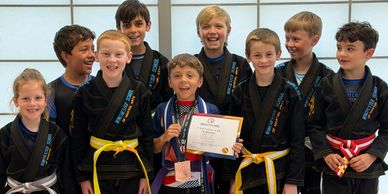
One of the most common reasons Winchester parents enrol their children in martial arts is because they hope it will help them beyond the dojo.
Many parents tell me that, after starting martial arts, they’ve noticed improvements in their child’s confidence, concentration, attitude and progress at school.
Every child is different, and no instructor can promise better grades. However, the habits developed through good martial arts training
- listening, concentration, perseverance, organisation and emotional control - are exactly the same habits children rely on every day in the classroom.
That’s one of the reasons every student completes our Home & School Report Card before grading. Character, effort and responsibility matter just as much as technical ability
Confidence
Why Learn Martial Arts?
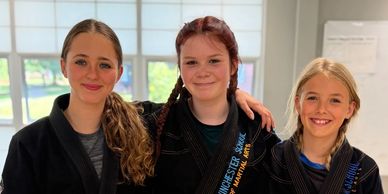
Real confidence isn’t something that can be given.
It has to be earned.
Every belt represents a goal that once seemed just out of reach. Every new technique, every challenge overcome and every lesson attended helps students realise they are capable of more than they first believed.
That confidence often extends far beyond the dojo.
Parents frequently tell me they notice their children becoming more willing to answer questions in class, try new activities, make new friends and believe in their own abilities
Practical Self-Defence
Respect, Teamwork & Leadership
Self-defence is about much more than physical techniques.
Students learn awareness, confidence, communication and good judgement alongside practical Ju Jitsu.
I often describe this as Verbal Ju Jitsu - using confidence, calm communication and sensible decision-making to avoid conflict wherever possible.
The best fight is often the one that never happens.
Discipline
Respect, Teamwork & Leadership
Respect, Teamwork & Leadership
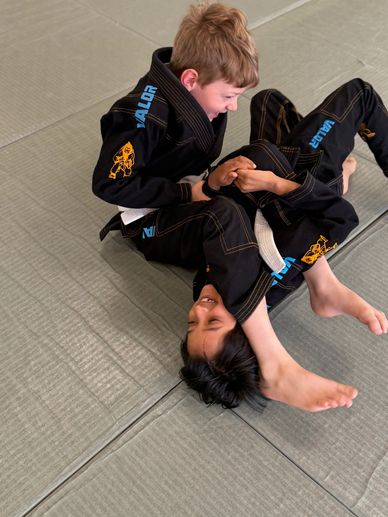
Discipline is sometimes misunderstood.
It isn’t simply about following instructions.
To me, discipline is about developing the habits that help people succeed throughout life.
It’s learning to concentrate when something is difficult.
It’s showing up even when you don’t particularly feel like it.
It’s finishing what you started rather than giving up when things become challenging.
Children quickly discover that good habits lead to achievement.
Achievement builds confidence.
Confidence encourages them to aim even higher.
That’s why I often say discipline isn’t restrictive.
Respect, Teamwork & Leadership
Respect, Teamwork & Leadership
Respect, Teamwork & Leadership
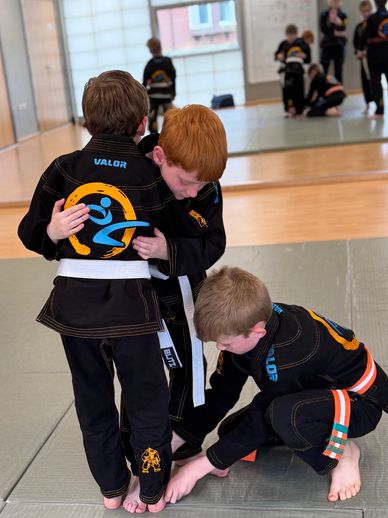
Martial arts is an individual journey, but nobody succeeds alone.
All of my classes are mixed ability by design.
More experienced students develop leadership, patience and communication by helping newer students.
Newer students benefit from training alongside positive role models who inspire them while helping them feel safe, supported and part of the academy.
Students also learn that everyone progresses at a different pace.
Learning to encourage others, communicate well and show consideration are life skills every bit as valuable as the techniques themselves.
Fitness With Purpose
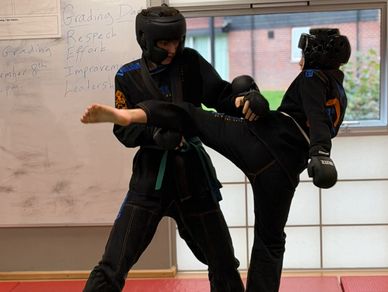
Fitness is an important part of martial arts, but it isn’t the goal.
It is the natural result of training.
Rather than exercising simply for the sake of exercise, students improve their strength, coordination, balance, flexibility and endurance while learning practical skills.
Training has purpose.
That purpose makes it enjoyable, engaging and something students want to keep coming back to.
Learning Through Play
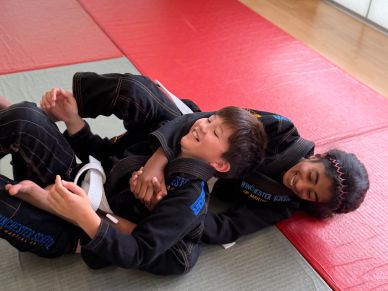
People sometimes ask whether younger children simply play games.
The answer is both yes and no.
Children absolutely laugh, have fun and enjoy themselves. Learning should be enjoyable.
The difference is that the games are carefully designed to teach genuine martial arts skills.
A game such as Sock Wars develops balance, movement, grip fighting, body control and spatial awareness without children realising just how much they’re learning.
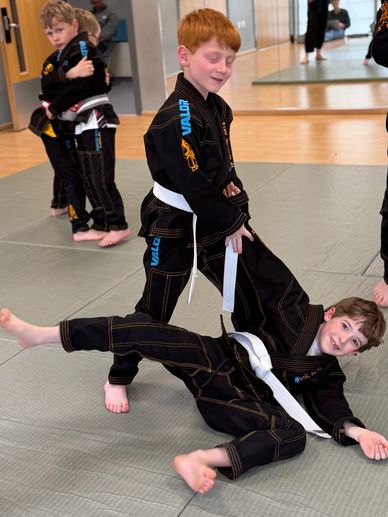
Dragon Riders teaches balance, control and maintaining position while another child learns how to escape safely.
The children think they’re playing.
I know they’re learning.
As a teacher, I continue to reflect on every lesson. I ask myself what worked well, what could be improved and how I can help every student learn more effectively. Martial arts is rooted in tradition, but good teaching should never stop evolving.
More Than Martial Arts
More Than Martial Arts
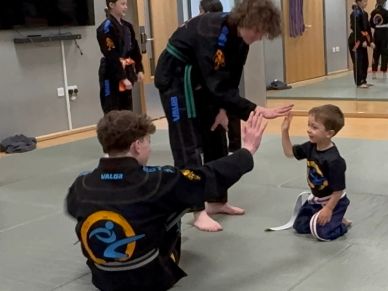
My goal has never been simply to produce good martial artists.
My goal is to help people become more confident, resilient, thoughtful and capable versions of themselves.
If students leave my academy with better habits, greater confidence, stronger character and a lifelong love of learning, then I consider that every bit as important as the techniques they have learned.
Because long after specific techniques have been forgotten, the lessons learned through martial arts often remain.